Tourism
Loch Lomond Without a Car: A 3-Day Public Transport Itinerary
Loch Lomond Without a Car: A 3-Day Public Transport Itinerary
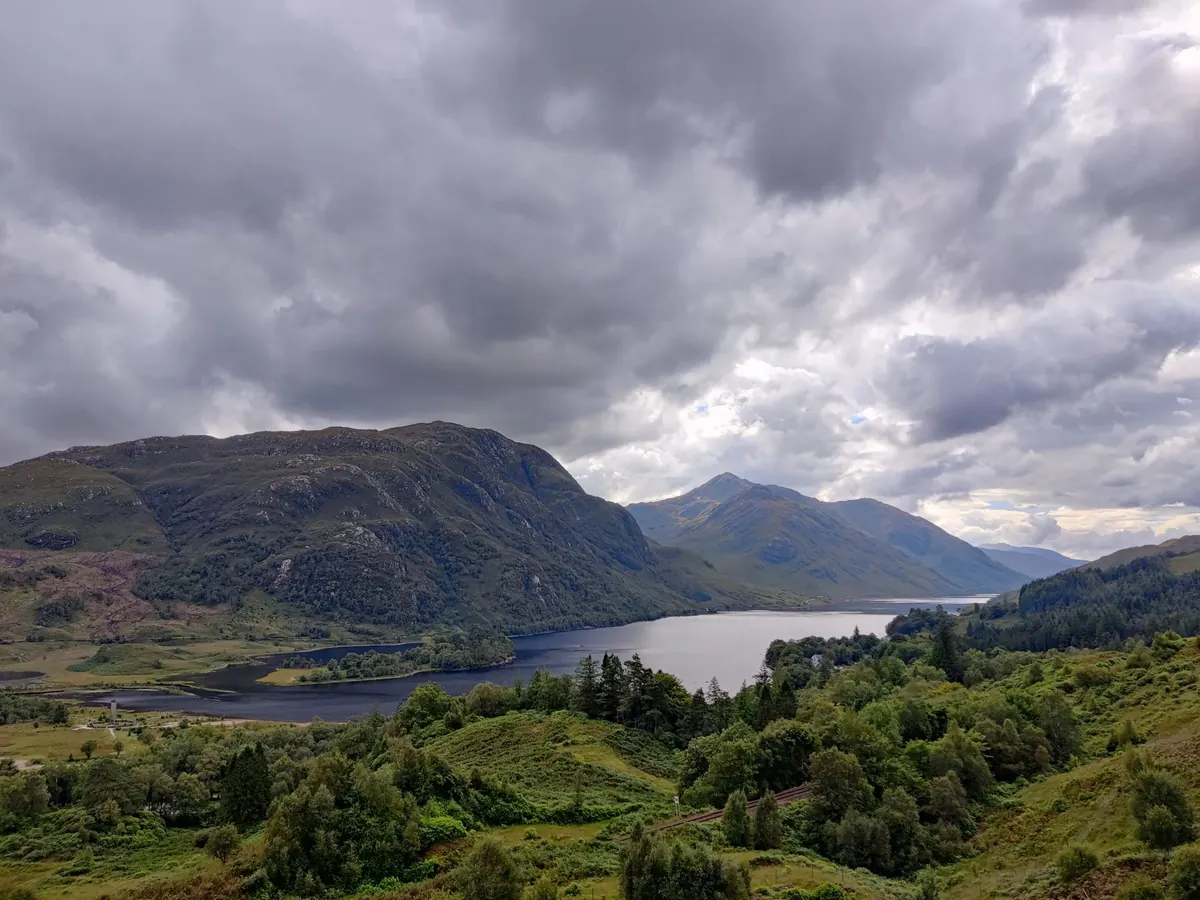
Loch Lomond is easier to see without a car than most of Scotland's big landscapes. A railway runs to Balloch at the south end, West Highland Line trains stop at Arrochar and Tarbet, and coaches run the full length of the west shore. Fill in the gaps with ferries and you have a genuine circuit rather than a series of out-and-back trips.
The catch is that all of it runs on timetables that thin out on Sundays and shrink sharply from October onward. So the itinerary below is built around last buses and last sailings, not first ones.
How the car-free network fits together
Five services do almost all the work, and it pays to know which is which before you book anything.
- ScotRail, Glasgow Queen Street to Balloch. Roughly every half hour, taking about three-quarters of an hour. This is the easy, frequent leg.
- West Highland Line to Arrochar & Tarbet. A handful of trains a day heading for Oban, Fort William and Mallaig. Fewer on Sundays, and worth booking a seat in summer.
- Citylink coaches along the A82. The 926 (Campbeltown) and 976 (Oban) both stop at Balloch, Luss, Tarbet and Arrochar. This is the backbone of the west shore.
- Ferries and waterbuses. The small passenger crossing between Tarbet and Inversnaid is the useful one for walkers. A summer waterbus network has linked Balloch, Balmaha, Luss, Tarbet and Inversnaid in recent years, though routes and days vary by season, so check before you build a day around one.
- Local buses and community transport. Around Balloch, Alexandria and Dumbarton, local buses fill short gaps, but most of the south shore is walkable. Treat them as backup rather than the main plan.
When to go, and what to book
May, June and September are the sweet spot. Daylight is long, the waterbus and ferry timetables are usually running, and the coaches are less frantic than in July and August. Winter is possible, but you will be planning around a much smaller number of departures, and some ferries stop entirely.
Book the West Highland Line ahead if you are travelling on a Friday, Sunday or any summer weekend. The trains are not commuter services; they are long-distance services with limited seats. Citylink coaches can also fill up in summer, especially the 926 and 976. A flexible ticket is useful, but a reserved seat is better.
The 3-day itinerary
Day 1: Glasgow to Balloch and the south shore
Start at Glasgow Queen Street and take the ScotRail train to Balloch. It is a simple, frequent run, and it drops you within walking distance of the loch. Leave your bag at your accommodation, then walk to Balloch Castle Country Park. The park gives you the classic first view: broad water, wooded islands, and the hills rising behind.
From Balloch, you can spend the afternoon at Loch Lomond Shores, then follow the shore path towards Balloch Castle. If the waterbus is running, take a short sailing to Luss or Balmaha and walk a section of the lochside before returning. If it is not, stay local and enjoy the fact that you have no car to park.
Stay in Balloch or, if you want a quieter evening, take an afternoon coach to Luss and stay there. Luss is small, pretty and very popular, so book early. In the evening, eat near the village and watch the light fade over the water.
Day 2: The west shore to Luss, Tarbet and Arrochar
Today is the backbone of the trip. Take the 926 or 976 coach from Balloch towards Luss. The journey along the A82 is short but spectacular, with the loch on one side and the hills on the other. Get off at Luss and explore the village, the beach and the old church. The walk up Glen Striddle is a good leg-stretcher if the weather is clear.
In the afternoon, continue by coach to Tarbet. From Tarbet, you have two choices. The first is to take the short train ride from Arrochar & Tarbet station to Arrochar, then walk down to the head of Loch Long. The second is to stay in Tarbet and take the seasonal passenger ferry to Inversnaid if it is running. The crossing is short, but it feels like a proper adventure because the road around the loch is so much longer.
If you are heading for Arrochar, the walk from the station to the village is manageable but not flat. Arrochar has a few pubs, hotels and a shop, and it makes a good base for the Arrochar Alps. The Cobbler, or Ben Arthur, is the big draw, but it is a serious hill day. If you only have an afternoon, walk part of the Three Lochs Way instead. The views down Loch Long are worth it even on a grey day.
Tip: the last coach south from Arrochar can be early in winter. Check the timetable before you set out in the morning, and know where you are sleeping before you commit to a late walk.
Day 3: Inversnaid, the West Highland Way, or a slow return
On your final day, build the plan around the first reliable departure, not the last. If the Tarbet to Inversnaid ferry is running, take it across and walk a section of the West Highland Way. The path from Inversnaid towards Rowardennan is rough, wooded and close to the water, with views that make the effort worthwhile. You do not need to walk far: even an hour out and back gives you a taste of the long-distance route.
If the ferry is not running, take the coach or train south instead. From Arrochar & Tarbet, West Highland Line trains run back to Glasgow Queen Street. From Arrochar, the 926 or 976 coach will carry you back towards Balloch, where you can pick up the train to Glasgow. Either way, you complete a loop without ever needing a car.
If you have time before your train, stop at Luss again. It is a different place in the morning, quieter and often misty. Walk down to the water, then catch the next coach or train onward. That is the real pleasure of a car-free Loch Lomond trip: the waiting is part of the journey.
Tickets, passes and booking
ScotRail tickets can be bought at Glasgow Queen Street, at station machines, or online. For the West Highland Line, reserve a seat if you can. Citylink coaches are best booked online in advance, especially in summer. If you are doing several journeys, ask about a day ticket or explore a Scottish travel pass, but check the restrictions: many passes do not cover every ferry or seasonal waterbus.
Keep paper or offline copies of timetables. Mobile signal is patchy around Tarbet, Arrochar and Inversnaid. A screenshot of the last bus and the last train is more useful than a hopeful search on a hillside.
Where to stay and eat without a car
Balloch has the widest choice of accommodation and the most frequent transport. Luss is prettier but smaller and busier in summer. Tarbet and Arrochar are the best bases for the west shore and the hills, but evening food options are limited, so book a table or check opening hours. In Arrochar, the village is spread out; choose somewhere near the coach stop if you are arriving late.
For food, Balloch and Luss have the most reliable options. Tarbet has hotels that serve non-residents, but hours can be seasonal. Arrochar has a few pubs and cafes. Carry water and snacks, especially on Sundays and in winter, when shops may close earlier than you expect.
Timetable survival tips
- Plan around the last bus, not the first. This is the single most important rule for the west shore.
- Check Sunday service separately. Some routes run a normal Saturday service, some run a reduced Sunday service, and some do not run at all.
- Expect seasonal changes. Ferries and waterbuses often start in spring and stop in autumn. October can be very different from September.
- Use the train as your reliable spine. Balloch trains are frequent; the West Highland Line is not. If a coach is cancelled, the train may save you.
- Have a fallback. Know the number of a local taxi company, and keep enough battery to call one. It is not a failure to take a taxi; it is just a backup plan.
Loch Lomond without a car is not a compromise. It is a slower, more sociable way to see the place. You notice the ferries, the coach stops and the small villages because you are not rushing past them. With a little timetable discipline, three days is enough to see the south end, the west shore and a slice of the hills, and still catch the train home.
Photo: Captain Teflon / Pexels