Tourism
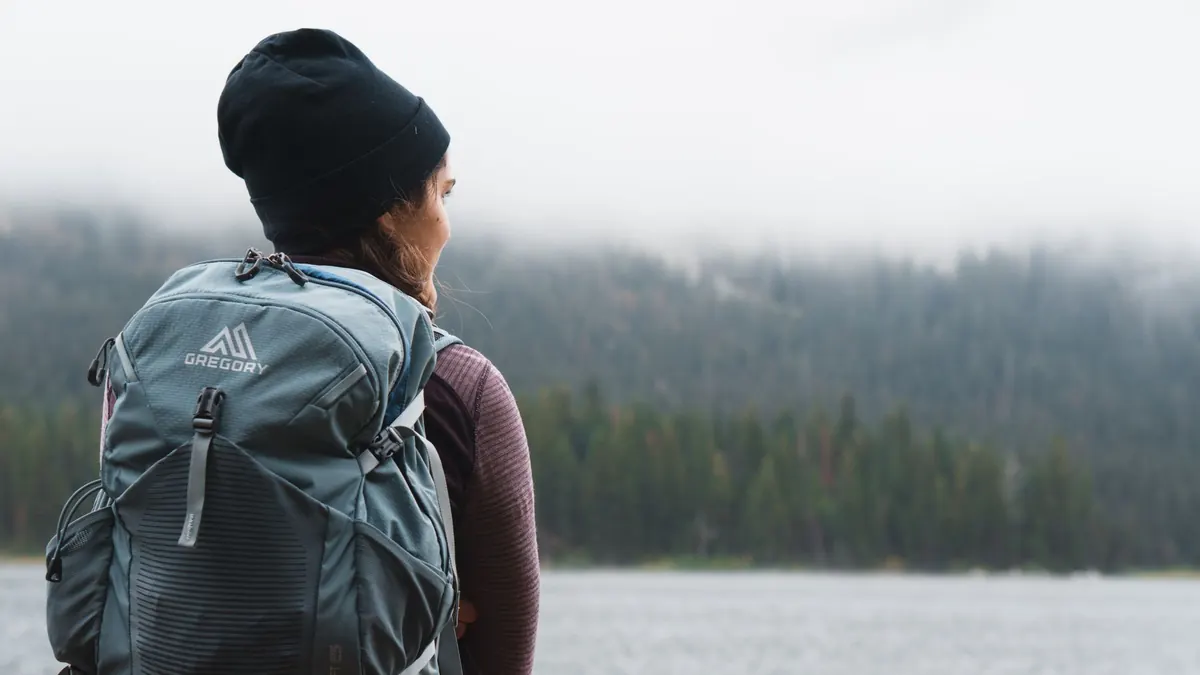
Packing Checklist for a Day Trip to a Remote Scottish Loch
A remote loch is rarely hard to reach. It is hard to leave in a hurry. That one fact should shape every item you put in your bag.
The car park might be forty minutes' walk from the shore. The phone signal might stop three miles earlier. A morning that looks settled can turn a hillside into a waterfall by two o'clock, and wind coming off open water is colder than the calendar suggests. None of that is a reason to stay home. It is a reason to pack for a day that is longer, wetter and windier than the forecast promises.
What follows is a working list — the sort that gets refined by bog, midges and one long walk back in the rain.
Dress for the Worst Hour, Not the Best
Think in three layers and you will handle almost anything a Highland day can produce: a base layer that wicks, a mid layer that insulates, and a waterproof shell that actually keeps water out. Cotton is the one fabric to leave at home. Once it is wet it stays wet, and it pulls heat off your skin exactly when you need it most.
Walking trousers rather than jeans, and a spare pair of socks sealed in a dry bag. Add a hat and thin gloves even in July — an evening on an exposed shore, with wind across the water, is cold out of all proportion to the season.
The small item people regret leaving behind
A midge head net. It weighs almost nothing and converts torment into mild inconvenience between late May and September. Repellent helps; a net ends the argument. If you plan to eat outside near reeds, bring both.
Footwear and the Ground You Will Actually Cross
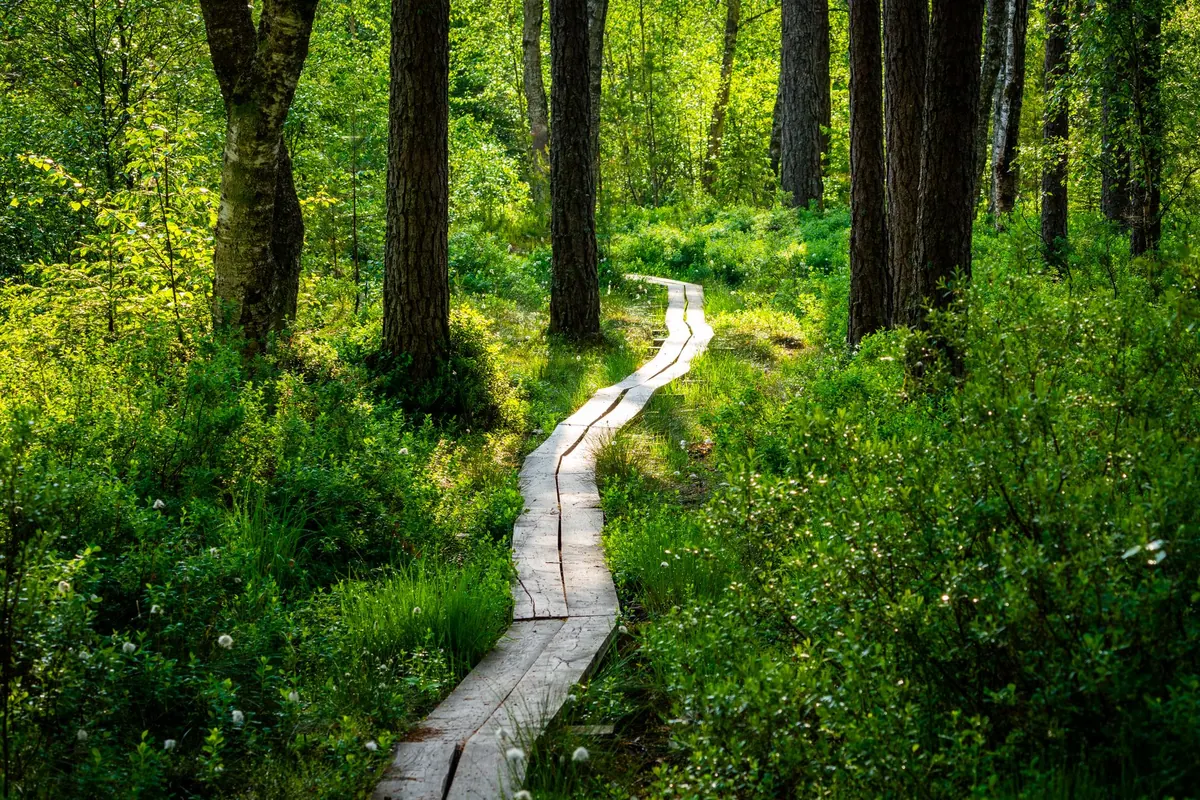
Lochside terrain is rarely the tidy path in the photograph. Expect bog, tussocks, wet rock and slimy stones at the water's edge. Boots with ankle support and a proper tread are the safe default. Trail shoes are fine for forest tracks, but the last fifty metres to a good viewpoint is often the worst fifty metres of the day.
If you intend to wade, put something on your feet. Barefoot wading on a stony shore is unpleasant, and the water is cold enough to numb toes within minutes. Enter slowly, stay shallow, keep it brief. Cold water is the real hazard here, not depth. If you are swimming, or you have a heart or respiratory condition, take proper local advice before you go — lochs are cold, deep and can shelve steeply.
Safety Kit You Hope Never to Open
Carry it anyway. Most of it is light, and none of it is costly compared with the trouble it prevents.
- Foil emergency blanket
- Whistle — sound carries much further than a shout
- Head torch with spare batteries
- Small first aid kit: blister plasters, tape, painkillers, tweezers, a few dressings
- Charged power bank and cable
- Phone in a waterproof pouch or dry bag
- Paper map and compass
Before you leave, tell someone the route, where the car is parked and when you expect to be back. That one message does more for your safety than any gadget in the bag.
The most useful piece of safety equipment on a remote loch day is a person at home who knows when to start worrying.
Food, Drink and the Midge Question
Take more water than seems reasonable, and food that needs no cooking. Oats, nuts, dried fruit, sandwiches, a flask of something hot. A hot drink on a cold shore is not a luxury; it is a mood repair.
Do not assume loch water is safe to drink because it looks clear. It can carry pathogens from livestock, deer and wildfowl. Carry water from home, boil it, or use a proper filter designed for the job.
Eat where there is a breeze. Midges gather in still air near reeds and under trees, so a few steps into the open can be the difference between a peaceful lunch and a rushed one.
Navigation When the Signal Dies
Coverage on remote lochs is patchy at best. Download offline maps before you set off, but treat the phone as a backup rather than the plan. A paper map at the right scale — 1:25,000 for rough ground — plus a compass you know how to use will get you back along a shore in mist.
Note the time you set off and the time you need to turn around. In winter, dark arrives early, and the path you skipped down at noon takes twice as long in the last of the light. Mark the car's position on the map. A loch shore can look identical in every direction.
Small Comforts That Change the Day
- A sit mat or folded foam square — dry, insulated seating on wet ground
- Sun cream and sunglasses; sun off water is fierce even when the air is cool
- Tissues and a small bag for rubbish, which comes home with you
- Dry socks and a spare fleece left in the car
- A towel in the boot, if anyone is likely to fall in
Packing It the Night Before
Do the boring part early and the morning takes care of itself.
- Check the forecast, and look at wind speed rather than rainfall — wind is what makes an exposed shore miserable.
- Charge phone, power bank and torch; download the offline map.
- Send someone your plan and expected return time.
- Pack the bag, leave the boots by the door, put spare clothes in the car.
- Fill the flask and the water bottles last, so the tea is still hot at the loch.
Pack once, then leave the bag packed. A day pack that lives by the door — torch, blanket, first aid kit, map and dry bag already inside — turns a spontaneous trip into a decision rather than a project. The best days at a remote loch are usually the ones where you simply picked up the bag and went.
Photo: Eric Dekker / Pexels