Wildlife
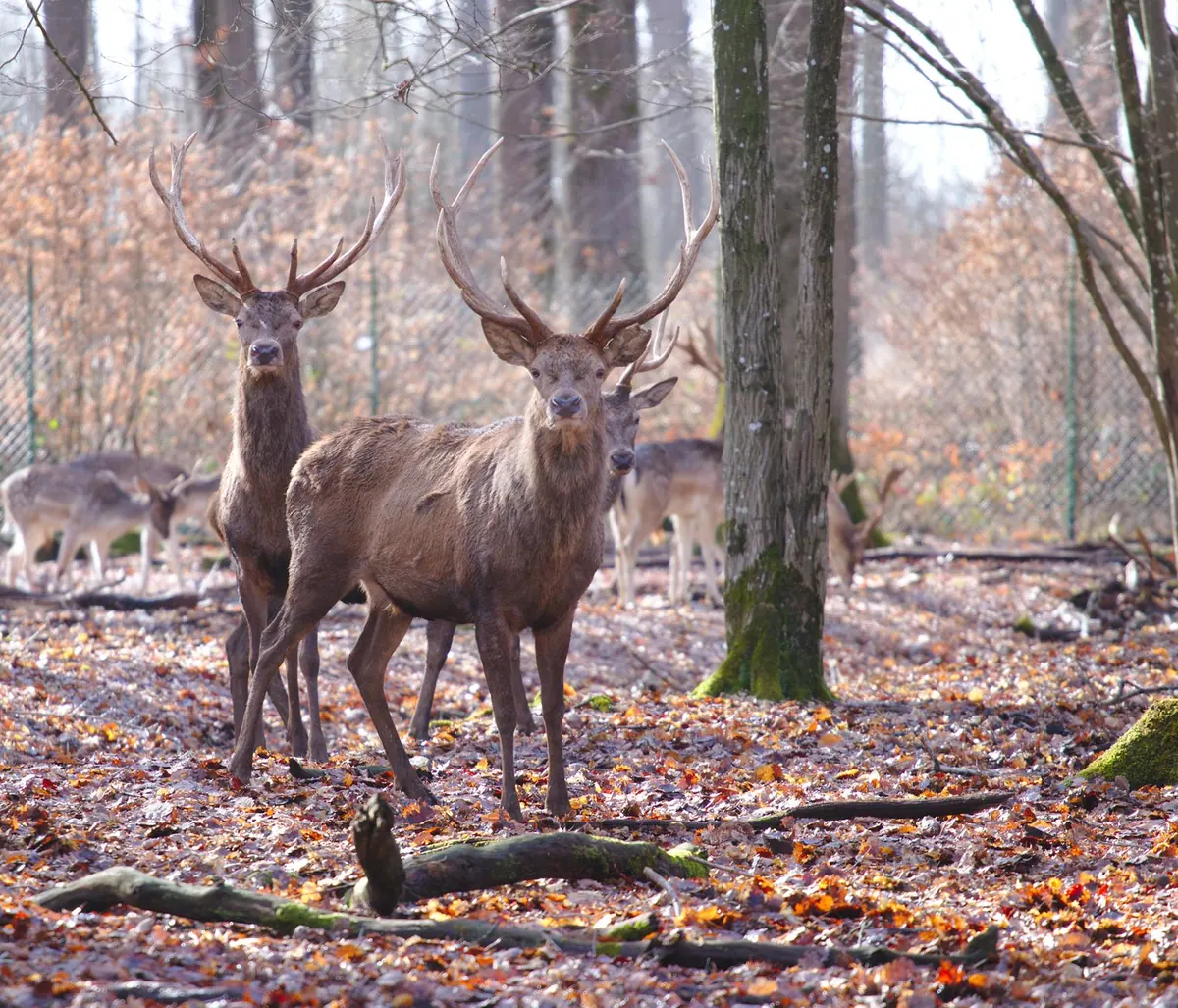
Autumn on Loch Tay: Where to See the Red Deer Rut
By the last days of September, the hills above Loch Tay stop being quiet. It begins as a low groan from somewhere up in a corrie, then another answers it, and inside a week the ridges between Killin and Kenmore are carrying the sound that defines a Scottish autumn: red deer stags roaring. You do not need a permit, a guide or a long walk to hear it. You need timing, a bit of patience, and the discipline to stand still instead of creeping closer.
The rut, in short
Red deer rut in the autumn. Stags, heavy with fat and antler, gather hinds into loose groups and spend a few weeks arguing about the boundaries. The arguing is mostly noise: a deep, drawn-out roar that carries across water on a still morning. Occasionally it becomes a chase or a shoving match, but the roaring is the main event, and it is what you have come for.
Around Loch Tay the noisiest fortnight usually falls somewhere between the last week of September and the middle of October. Cold, calm, clear mornings are best — sound travels further, and the deer are often still out on open ground as the light comes up. Dusk works too, though you have less time before the dark swallows the hillside. Wind matters more than most people expect: a steady breeze from you towards the deer and you will see tails and nothing else.
Where to listen and watch
The loch is roughly fifteen miles long, and the deer are on both sides of it. Rather than chase a single famous spot, treat the drive as a slow reconnaissance. Stop where it is safe to stop, listen for a few minutes, and move on if the hills are silent.
Along the north shore
The road up the north side, through Fearnan and Morenish towards Lawers, gives you the best combination of open hillside, birch wood and easy pull-ins. Above the village of Lawers, the Ben Lawers reserve climbs steeply into high ground where stags regularly hold harems on the open slopes. You will often hear them from the roadside without leaving the car park — a genuine advantage on a wet morning.
West end: Killin and the Dochart
At the head of the loch, the ground opens out towards Glen Dochart and the quieter farmland around Auchlyne. This is where deer spill down to pasture edges in the half-light, and where a stag's roar can sound startlingly close. It is also working farmland: park in passing places, never in a field entrance, and give way to anything with a trailer.
South shore and the wooded hills
The south shore road through Ardtalnaig and Ardeonaig is narrower and slower, which suits the rut perfectly. Woodland blocks above the loch, and the oak and birch around Acharn and Kenmore, hold deer that are used to cover. You will hear more than you see here, so it pays to stop and simply listen.
Places worth trying, roughly west to east:
- Killin and the fields towards Auchlyne, for early-morning roars close to the road.
- The north shore pull-ins between Fearnan and Morenish, good for open-slope viewing.
- The slopes above Lawers, where harems often sit on high, visible ground.
- Ardeonaig and Ardtalnaig on the south side, for deer in woodland edge and clearings.
- The wooded hill above Kenmore and the quieter ground towards Acharn.
- Glen Lyon, just beyond the west end, if you want a full day and a bigger landscape.
Reading what you are hearing
Once you have found a roaring stag, resist the urge to close the distance. Stay put, get comfortable, and watch. A rutting stag is a readable animal. When he is relaxed he will graze, walk slowly among his hinds, and roar at intervals. When he stiffens, stares in your direction, or moves the harem away, that is your cue to back off or leave.
Listen as well as look. A single roar answered from two directions tells you there are rival stags nearby. Younger males usually hang around the edges — they rarely hold hinds, but they cause most of the running and the noise. Hinds and calves are the ones to watch for behaviour: if the hinds are unsettled and moving, the whole group will follow, and your view is over.
Watching it responsibly
The rut is the most stressful month of a stag's year. He barely eats, loses condition, and spends his energy on display and defence. Adding human pressure on top of that has a real cost, and it is entirely avoidable.
- Keep your distance. Use binoculars or a scope rather than your feet. If an animal changes what it is doing because of you, you are too close.
- Never move between a stag and his hinds. That is the one place a rutting stag will treat as a threat.
- Do not imitate a roar or play calls. It pulls deer towards you and can draw an irritated stag in close.
- Leave drones at home. They disturb deer and other wildlife, and they are not welcome over farmland or reserves.
- Keep dogs on a short lead. Non-negotiable around deer and livestock during the rut.
- Stay out of closed areas. Autumn is also deer-stalking season on several estates, and access may be restricted for safety. Respect signs and ask at the estate office if in doubt.
- Stay on tracks where you can. It keeps erosion down and reduces the chance of pushing deer off good grazing.
What to take
Autumn at Loch Tay can deliver frost, drizzle and a flat calm within the same morning. Layer up, and take more than you think you need. A flask, a waterproof, gloves, and boots that cope with wet grass will keep you out long enough to see something worthwhile. Binoculars of 8x42 or 10x42 are ideal; a spotting scope helps if you are watching a distant hillside. A red-light torch is useful for finding your way back after dusk without ruining your night vision, and a midge hood is cheap insurance if the wind drops.
A practical finish
Plan one dawn properly rather than three half-hearted ones. Arrive before first light, park legally and quietly, walk a short distance to a spot with a view and a bit of cover, and then wait. Give it an hour. Drink your coffee. Let the hill wake up around you.
Follow the Scottish Outdoor Access Code, take everything home with you, close gates behind you, and drive slowly on the loch roads — deer cross them at dusk and in the dark, and a stag in the rut is not looking at traffic. If you hear one roar and then decide to leave him in peace, that is a good morning's work. The rut will happen again next year, and the deer will be better off if the hills stayed quiet around them.
Photo: Nicolas Rousseau / Pexels