Tourism
Five Common Mistakes When Wild Swimming in a Scottish Loch
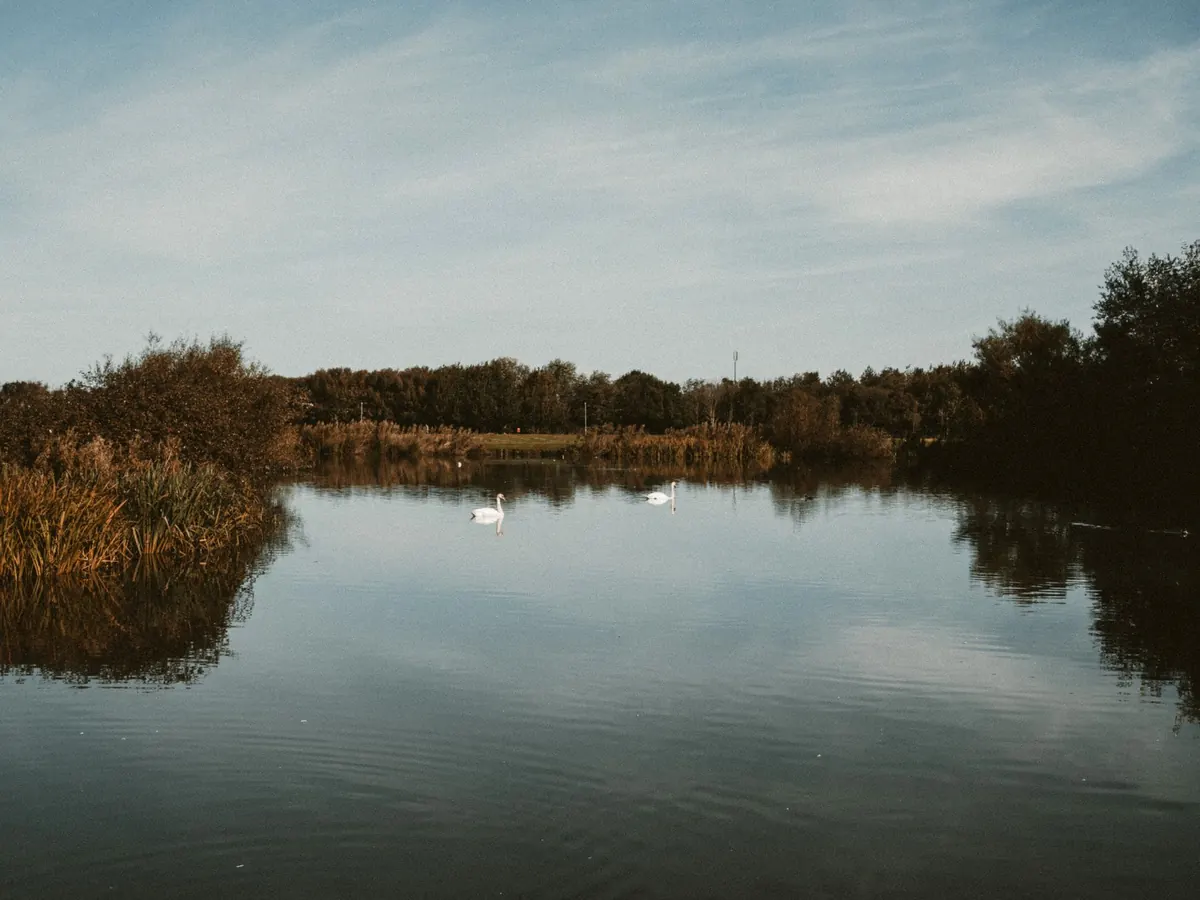
Pick the right morning and a Scottish loch is the finest swimming pool you will ever stand in. Flat water to the horizon, a shingle beach, no lane ropes, no chlorine. Pick the wrong one and it is a very large body of cold water with a mind of its own, several kilometres from the nearest help.
Most swims that go wrong are not the work of reckless people. They are the work of competent swimmers who made one reasonable assumption that turned out to be wrong: that August means warm, that a loch is just a big pond, that the way in is the way out. Here are the five assumptions that catch people most often, and what to do instead.
1. Assuming the Water Is Warmer Than It Is
Cold water shock is not the same as feeling chilly. It is an automatic physical response to sudden immersion in water well below body temperature: a sharp intake of breath, a racing heart, fast shallow breathing, sometimes outright panic. In Scottish lochs, even in a good summer, the surface is often in the low teens. In winter and early spring, single figures are normal. That is easily cold enough for the response to hit hard.
The mistake is the running jump. Instead, walk in, take your time, splash water on your face and the back of your neck, and keep your head above water for the first minute or two. Breathe out slowly and deliberately, long exhales, until the gasping settles. It usually does.
A few things that make a real difference:
- A wetsuit is not cheating. It buys time and comfort, especially on longer swims.
- A neoprene hat, gloves and socks do more for your staying power than you would expect.
- Swim for minutes, not miles, until you know how your body reacts. Get out before the hard shivering starts.
- If you have a heart condition, are pregnant, or manage a long-term health issue, speak to a doctor before you take up cold water swimming.
Afterwards, uncontrollable shivering, fumbling hands or slurred speech are past the point of "a bit cold". Get dry, get layers on, get warm, and seek help if it does not improve.
2. Checking the Weather Once, From the Car Park
A forecast read at the car park in the morning is a starting point, not a plan. On a loch, wind matters more than temperature. An onshore wind builds chop that turns a twenty-minute swim into hard work. An offshore wind pushes you away from the bank and takes anything you are not holding with it — tow float, hat, paddleboard. Both shift through the day, and both feel very different at head height from the way they look on a screen.
So look at wind speed and gusts rather than the little cloud symbol, and remember that a sheltered bay can be calm while the middle of the loch is not. Heavy rain overnight raises water levels, strengthens currents near inflows and makes burns louder and faster. Low cloud removes the landmarks you were quietly navigating by. In winter, ice at the edges is beautiful and treacherous.
Check your phone signal before you rely on it. Plenty of lochs have none. Tell someone which shore you are swimming from and when you expect to be back; if there is nobody to tell, a note on the dashboard and a message to a friend both beat silence.
3. Swimming Wherever Looks Inviting
Scottish access rights give responsible public access to most land and inland water, and that includes swimming in most lochs. Most is not all, and the exceptions are worth knowing before you start peeling off layers in a car park.
Take extra care around reservoirs, which often fall outside the usual access arrangements and carry their own rules and operational hazards: intakes, submerged structures, sudden changes in level. The same goes for hydro scheme intakes and outfalls, marked by buoys, booms or signage; military ranges when red flags are flying; fish farm cages and working boats; and lochs with speedboat or water-ski zones, where a swimmer's head is very hard to see. In spring and early summer, avoid nesting islands. During warm spells, water that looks like green paint or pea soup may be an algal bloom — swim somewhere else that day and keep dogs out.
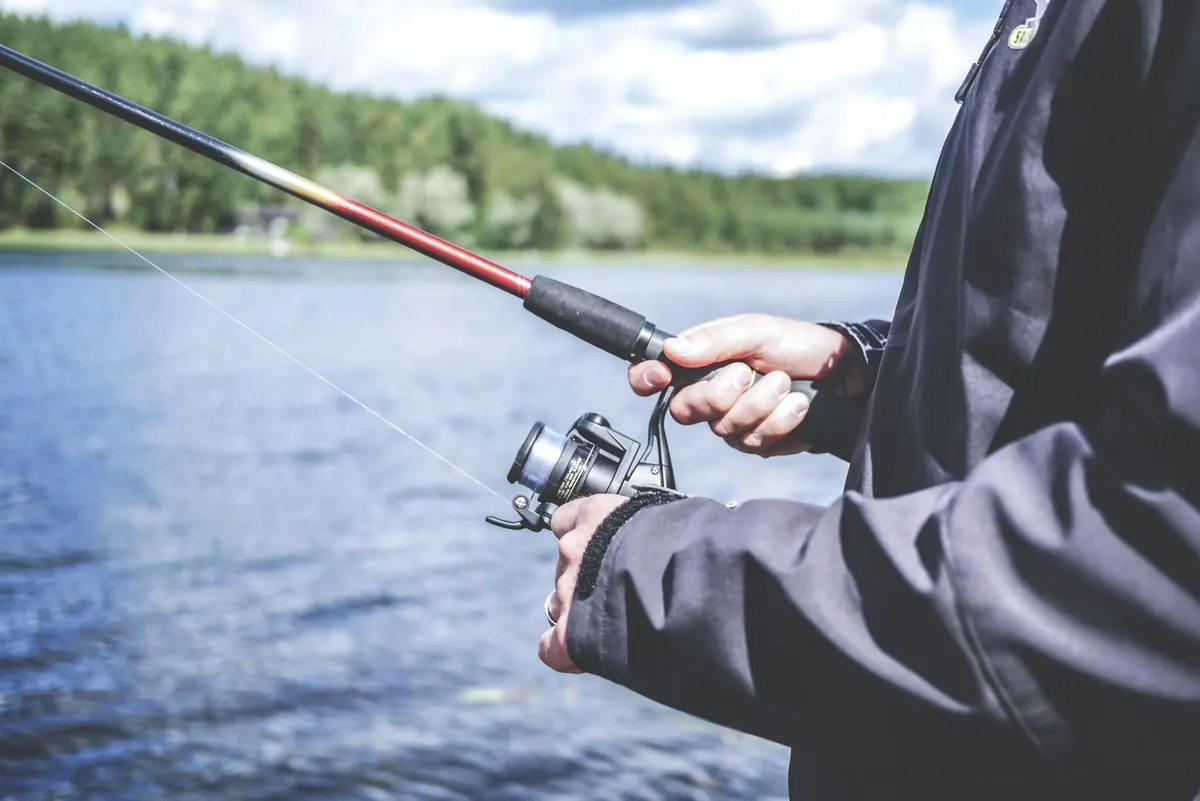
Practical manners matter too. Park without blocking gates or passing places. Keep well clear of anglers: their lines are near-invisible and hooks are unpleasant. If you are unsure whether a stretch of shore is open to you, ask locally — a harbour office, a village shop or the estate office will usually tell you straight.
4. Swimming Alone, or Assuming Someone Is Watching
Plenty of experienced swimmers enjoy a solo loch. The mistake is doing it with nobody knowing, or swimming in a group where every person assumes somebody else is keeping an eye out.
In a group, agree a buddy before you get in, count heads before and after, and fix a get-out time. If one person is less confident, that is the person who needs a companion, not the one who gets left to follow along. In cold water, trouble often looks like silence and a swimmer quietly drifting away from the others rather than shouting for help.
If you do swim alone, stay close to shore, keep within your depth, wear something bright, use a tow float, and choose a spot where you can be seen from a road or a well-used path.
5. Forgetting About the Getting Out
People plan the swim and forget the exit. Cold hands cannot grip wet rock. Weed is slippery, steep shingle slides, and a bank that looked straightforward while dry feels different after a night of rain. Drop-offs are common close to shore where a burn has cut a channel.
If you cannot get out where you got in, pick a different spot to swim.
Walk your entry and your exit on land first, and pick a second exit downwind in case the wind shifts you along the shore. If you are wearing a wetsuit, plan the change as well as the swim: a mat or dry bag to stand on, a towel, a warm hat, a flask, and shoes you can put on with numb fingers. Slip-on boots beat laces every time.
And finish while you are still enjoying it, not five minutes after. The end of a swim is when cold catches people out.
A Short Routine Before You Get In
- Read the wind and the hourly forecast for the time you will actually be swimming.
- Check access: signs, gates, who else is using the water, and anything that looks like an intake or outfall.
- Walk the entry and the exit, and choose a backup exit.
- Tell someone your plan and your return time.
- Kit: wetsuit or warm layers, bright hat, tow float, dry bag with dry clothes.
- Enter slowly, keep your head up for the first minute, and get out before you are cold.
None of this is meant to put you off. Cold water, properly respected, is one of the great pleasures of a Scottish summer — or winter, if that is your thing. Get the basics right and a loch will give you swims you remember for years. If you feel unwell in the days afterwards — fever, aching, stomach trouble — see a doctor and mention that you have been swimming in open water. And if you have any doubt about your health or fitness for cold water, take proper medical advice before you go.
Photo: Lisa Fotios / Pexels