Local News
New Speed Limit Trial on Loch Earn: What Boaters and Anglers Need to Know
Loch Earn has always been a busy, sociable stretch of water. Sailing dinghies tacking out of Lochearnhead, anglers drifting the deep water off St Fillans, wakeboarders making the most of a flat summer evening, paddleboarders hugging the shore. All of them share the same seven miles.
A proposed trial speed limit would change how some of that traffic moves. The details matter as much to someone in a small open boat as to a family fishing from the bank, so it is worth understanding what is on the table before the paperwork is settled.
The key word is proposed. The trial is at the consultation stage. That means the headline figure, the exact edges of any restricted zone and the start date are all still open to influence. Anyone who uses the loch now has a window to shape the outcome.
What a trial speed limit actually means
A trial is not the same as a permanent bylaw. It runs for a fixed period, is reviewed against evidence gathered while it is in force, and can then be made permanent, amended or dropped. That structure is deliberately flexible — it exists so that a busy loch can be managed without locking in rules that turn out to be unworkable.
Most proposed limits of this kind are defined by zone rather than by the whole loch. A blanket limit across every square metre of water is rare, partly because it would be impossible to police and partly because it would penalise activities that do no harm. Instead, restrictions tend to apply where fast movement causes a problem: close to shorelines, inside shallow bays, near moorings and jetties, and along stretches where there are swimmers, dinghy sailors or wading anglers.
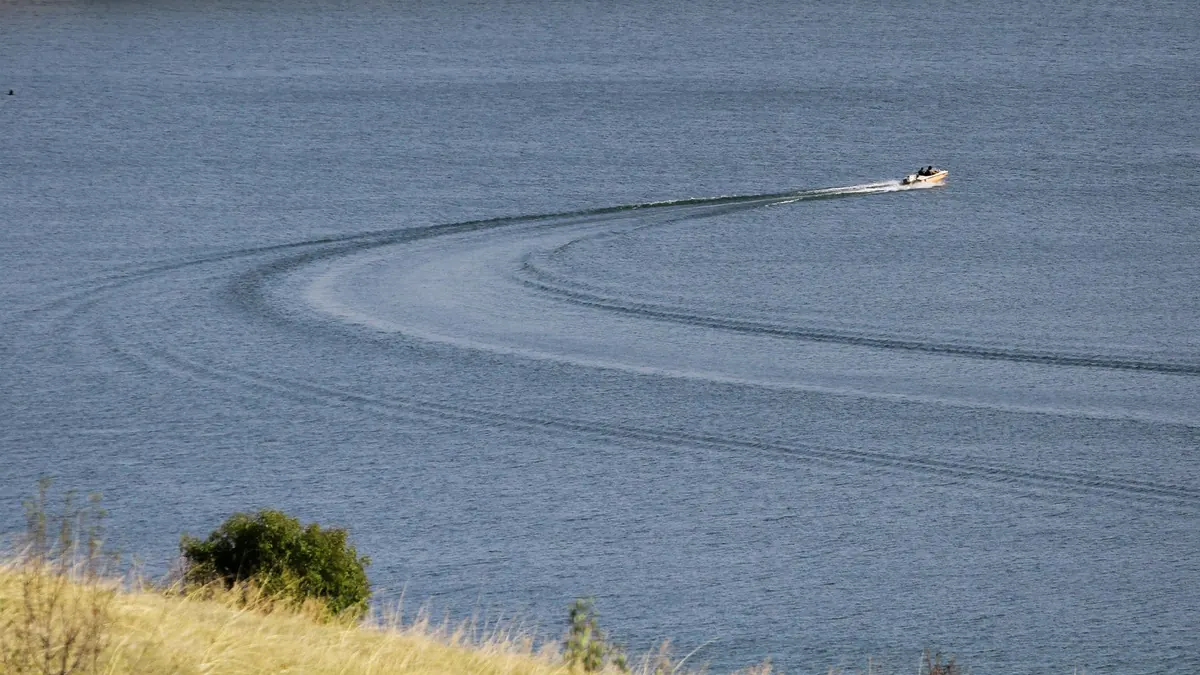
Speed on the water is not really about the number on a dial. It is about wash. A boat travelling at displacement speed pushes a small wave. A boat up on the plane throws a much bigger one, and that wave travels. It lifts moored boats against their lines, undermines gravel banks, stirs up shallows and soaks anyone standing in the water. That is why limits are usually written low and enforced by the visible effect rather than by radar alone.
Where the zones are likely to focus
Details will be set out formally in the consultation papers, and you should read those before drawing conclusions about your own patch. The kinds of areas that come up in discussions on a loch like Earn tend to fall into three groups.
Village frontages and moorings
The areas off Lochearnhead and St Fillans, along with recognised anchorages and club moorings, are the obvious candidates. Boats moored or anchored in these spots take the brunt of passing wash, and shoreline damage is most visible where the bank is already under pressure.
Shallow bays and gravel shorelines
Brown trout spawn on gravel in late autumn and early winter, in shallow water along the shoreline. Gravel that gets churned by repeated wash, or by propellers cutting too close to the bank, is a genuine concern. Expect any zones drawn around the shallower bays to reflect that seasonal sensitivity.
Congested and exposed corners
Narrow sections and corners where a fast-moving boat has limited room to see what is coming are another common focus. So are the busy stretches where different activities — towing, swimming, sailing, paddling — end up in the same place at the same time on a summer afternoon.
If you're a boater, what changes
For most people, a zone-based limit means planning the trip differently rather than giving up anything. Passage planning becomes a bit more deliberate: know where the restricted water starts, get off the plane early rather than at the last marker, and think about where your fast run is going to happen.
- Learn the boundaries. Markers, buoys and slipway notices will be your main cues on the water. Read the zone map before you launch, not afterwards.
- Plan your planing stretches. Work out on a chart where you can still open up, so you are not improvising with a ski rope behind you.
- Brief your crew and guests. Anyone taking a turn at the helm needs to know where the limit applies.
- Ask about towed sports. Wakeboarding, waterskiing and towed inflatables are the activities most affected. Check whether any designated area is proposed, or whether you will need to move elsewhere.
- Allow more time. A slower run up the loch takes longer and burns less fuel, but it does change an afternoon's timing.
- Check the exemptions. Emergency and rescue craft are normally exempt from limits of this kind. Confirm the wording rather than assuming.
Enforcement arrangements are usually confirmed alongside the trial itself. Trials of this sort generally begin with signage, education and warning letters before anything formal is applied, and it is worth reading the enforcement section of the proposal carefully.
If you're an angler, what changes
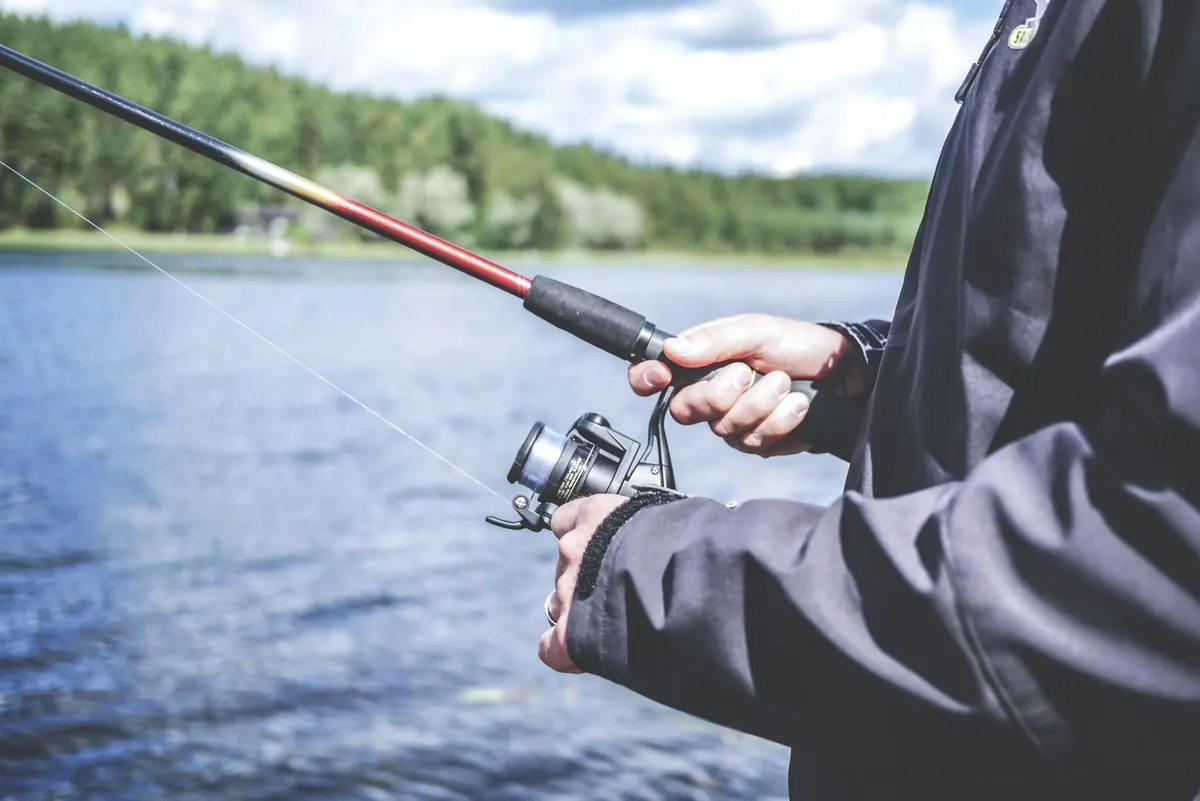
Bank and wading anglers are often the quiet beneficiaries. Less wash means a steadier line, cleaner margins and a safer footing in shallow water. Anyone who has spent an evening watching a drifting boat lift the whole shoreline will understand the appeal.
Boat anglers will find trolling largely unaffected, since trolling speeds are already slow. Drifting is unaffected in practice. The things to check are anchoring — whether any proposed zone covers your usual mark close to shore — and access at the slipway you use, particularly if the trial brings new signage or a designated launching point.
Quieter water in the shallows may change where fish sit, though anyone who has fished Earn for years will tell you that patterns shift for a dozen reasons. Treat this as something to watch and record rather than something to predict.
How to give feedback
- Find the official documents. Consultation papers, zone maps and response forms should be published by the local authority and, where the national park boundary applies, by the park authority. Ask Perth and Kinross Council's team directly if you cannot find them.
- Note the closing date. Put it in your diary now. Late responses are rarely counted.
- Read the zone map against your own use. Take a chart or a screenshot of the map and mark where you launch, moor, anchor, fish or teach. Specific comments carry far more weight than general ones.
- Respond in writing. Say which zone, which activity, what you would change and why. Two short, precise paragraphs beat a page of frustration.
- Use your club or marina. Group responses from a sailing club, angling association or mooring holder group are read closely because they represent numbers.
- Attend the drop-in sessions. Community council meetings and open sessions are where details get clarified. Ask questions about boundaries, seasons and review.
- Keep a record. Dates, times, locations and photos of wash damage or near misses make a far stronger case than memory.
Points worth raising in your response
- Whether zone boundaries will be clearly marked on the water, not just on paper.
- How the limit will work in different seasons, especially through the winter months when the loch is quiet.
- What carve-outs exist for safety, rescue and training.
- How the trial will be measured and who decides whether it becomes permanent.
- Who pays for signage, markers and any enforcement.
Practical next steps
Check the current position with the relevant authority before you plan around a trial — proposals change, dates slip and zone maps get redrawn. If you run a commercial operation, from a charter boat to a hire fleet, take proper advice on what a limit would mean for your bookings and your insurance rather than relying on a summary.
For everyone else, the useful move is simple: read the map, mark your own patch on it, and send in a response while the window is open. Loch Earn is at its best when the people who use it are the ones shaping the rules.
Photo: Georgi Kanov / Pexels